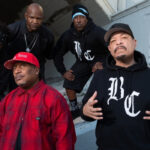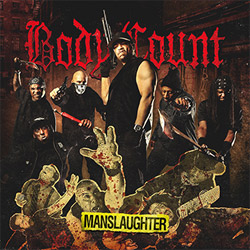
In 2014 you’d think that Body Count‘s most lethal weapon would be nostalgia. After all, the outfit are led by Ice-T—a rap artist turned actor who originally made his mint during the heyday of cassette tapes. But as “Manslaughter” eagerly demonstrates, Body Count haven’t been resurrected to traffic only in past glory and shock tactics.
What “Manslaughter” has that so few other albums do in today’s increasingly serious metal community is an amplified sense of humor and a penchant for storytelling. Yes, the rugged mix of concrete jungle bred hardcore and seminal Bay Area thrash ensure that the influences on this record are as visible as a back patch on a denim jacket.
But that said, technical ability has never been the driving force of Body Count. In fact, as competent as this latest lineup are, they still operate in the shadow of Ice-T‘s larger than life persona. Again he brims with menace while delivering all the foreboding callouts and warnings you’d expect of 2014 hardcore. But the tilt here is the way it all resembles the gangsta rap of old.
It’s erected upon the kind of lyricism that was so overtly violent and gritty, that even though you knew it was more social commentary than anything else, it remained no less infectious. The advent of the internet, reality TV and social media have done their best to erode any embellished ‘cop killing’, etc., but that doesn’t stop Ice-T from relishing in his ability to vent and exaggerate the truth.
A shining example of that arrives in the bands updated take on the Suicidal Tendencies classic “Institutionalized“. No Pepsi is needed this time out as the song has been reworked to target wives nagging about video gaming, vegans and lost passwords. But if anything is to sum up what “Manslaughter” is all about, it’s “Pop Bubble“. That cut boasts a cameo from Hatebreed‘s Jamey Jasta and mourns the state of artistic conservatism present in the music of today. Given the shitstorm of controversy that followed Body Count‘s 1992 debut, it’s a song that possesses far more gravitas than it should.
You can rightfully argue that “Manslaughter” as a whole doesn’t have the substance and rallying calls for change that were present in music during Body Count‘s initial early 90’s run. There are numerous songs on here that bait controversy and have no shame in doing so. But behind the bravado and threats of hyper-violence is a provocation to think and visualize rather than just interpret and react. This—along with a style that is distinctly their own—is why Body Count can return after an eight year absence and still turn heads.