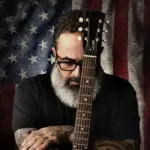
Despite a decades-long career that has generated numerous multi-platinum and gold-certified albums, Staind guitarist Mike Mushok claims he’s yet to receive a royalty from the sales and streams of the band’s catalog. That revelation was made during a recent discussion the career musician had with The KiddChris Show. The conversation steered that way after the royalty woes of alternative metal band Chevelle were brought up.
Back in 2021, Chevelle‘s Pete Loeffler revealed that despite selling some six million albums amid their tenure with Epic Records, the band had yet to receive any money directly from record sales. His bandmate and brother Sam later offered an explanation as to how that came to pass, citing clauses in their record contract and other intricacies when it comes to dealing with a major label.
In this new interview, Mushok himself relayed a similar experience, offering [transcribed by Blabbermouth.net]:
“Listen, I’ve sold I don’t know how many millions of records, and I’ve never once received a royalty from the record company after — whatever — 20, whatever, 25 years. We still owe them money. We haven’t been on the label since — I don’t know — 2011 was the last record we put out on Atlantic, and we still owe them money.
And listen, I’m not gonna lie — they gave us large advances, and that’s why [we still owe them money]. But seriously, they have to be paid off. But anyways, I think it’s estimated, I think we’re saying, like, another three years it’ll be paid off and I’ll actually start making royalties on our records.”
When asked if the band ever expect to get the rights back to their masters from the label, Mushok responded:
“Yeah. So supposedly after 35 years, the masters are supposed to revert back to you. But I was talking to our attorney about that, and he said that no label ever lets you do that. They try to buy you out and give you money so they can continue to own the masters — unless you fight them.”
The advances that Mushok speaks above are generally large sums of money provided to the band/recording artist up front during the creation of an album and during an album cycle. Those advances exist in a sense as a loans and are expected to eventually be paid back to the label through proceeds generated from sales and streams of the band’s recorded works.
In what was a commonplace arrangement, a label would thus retain rights to the band’s masters for a lengthy period of time and not be required to pay the artist until the label had recouped on the various investments they made in the band, be it advances, promotional budgets and more.
However, that’s not to say the artists don’t generate any money from their recorded works per se, as they generally retain a share of their publishing royalties, which tend to fall under a different umbrella.
That said, Staind‘s situation could possibly be a bit more nuanced than explained above by Mushok. The band were taken under the wing of Limp Bizkit‘s Fred Durst early on in their career, with Durst being instrumental in getting them signed to Flip Records.
If you’ve been following the news lately, Limp Bizkit themselves were also signed to Flip Records along with the likes of Cold, Dope and more. Flip Records are currently tied into a $200 million lawsuit filed against Universal Music Group by Limp Bizkit vocalist Fred Durst.
That suit has found Durst accusing Flip Records of manipulation and fraud, with Durst seeking a recession of Limp Bizkit‘s recording contract with Flip, along with other related label arrangements in turn.
Do note, that Staind themselves are not directly a part of those legal proceedings and don’t appear to have commented on the matter. It should at least be pointed out however, that all of Staind‘s studio albums from 1999’s “Dysfunction” through to their 2011 self-titled opus were issued in part under the Flip banner as part of arrangements that label had struck with several other large labels, including Elektra and Atlantic Records.