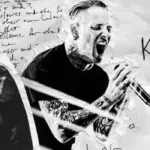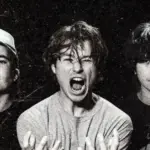
Much to the chagrin of guitar virtuosos everywhere, the rise of nü-metal in the mid 90s through to the early 2000s saw the once respected art of the guitar solo take a backseat. That stylistic shift in taste instead favored overall groove and kooky guitar effects-laden atmospherics, with many bands opting to follow in the groundwork bands like Korn had laid in eschewing the art of shred.
Of course, there were tried and true guitar heroes refusing to adapt to that new norm. But with nü-metal representing perhaps the last wave of metal’s mainstream dominance, their resistance wasn’t exactly seeing them prosper at the time.
Groups like Korn, Limp Bizkit & Deftones all hit multi-platinum status, while Linkin Park, Evanescence, Kid Rock and more took it a step further, eventually securing diamond-certifications (10x multi-platinum status.) Meanwhile the guitar-driven metal greats of just a few years prior largely languished on the charts.
Much like the fate glam metal suffered at the hands of grunge, solos became viewed as cheesy and out of vogue by a generation of metalheads. A good portion of the blame for that could be placed at the feet of the so-called ‘Godfather Of Nü-Metal’, Ross Robinson.
For it was Robinson‘s unique production style that served as the guiding hand across a slew of influential early releases from the likes of Korn, Limp Bizkit, Sepultura and more. Robinson essentially became the overall architect for a wave of bands to follow, the majority of whom abandoned prolonged showcases of their guitar chops in a bid to stay current.
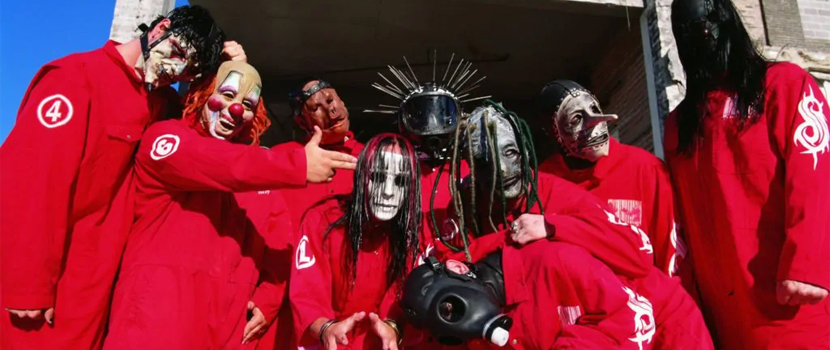
One musician who was directly discouraged from showing off his skills at the time was Slipknot guitarist Mick Thomson. His initial vision for Slipknot‘s landmark 2x multi-platinum self-titled opus included a number of solos and leads. While that decision in part came down to input from Robinson, who produced that opus and had the band signed to his Roadrunner Records imprint label at the time, the masked metal band’s late drummer Joey Jordison also pushed back against soloing.
Thomson spoke of that in a newly published interview with Guitar World, revealing that the solos he had originally written for that album were eventually all *ahem* axed.
Thomson stated:
“I actually had some solos in songs, but they all got cut out. Because between Ross and Joey solos are stupid now. Any kind of technical guitar playing was mocked and frowned upon. So, yeah, leads were stripped out. The song ‘(sic)‘ used to be called ‘Slipknot‘, and there was a lead in that, and then there were solos in some other sh*t. But they were just massaged out.
“I mean, I get it… but it sucked. Because it was one of those things where I’m like, ‘I’ve spent my whole life playing and now f*cking here I am, and… nope! Never mind! It’s all gone!’ You know? Like, ‘Just take it all away from me. That’s cool! Never mind that I sat in my room for years obsessing and trying to f*cking do whatever, and then here I am and… nope!'”
Thomson wasn’t thrilled with the decision, but showed some restraint, stating of his reaction at the time, “What are you gonna do? Throw fits?” He did reveal though that he later grew to understand the aforementioned pair’s aversion to soloing:
“I learned a lot from Ross, and that was one thing. I mean, we grew up in an era where you heard one to two guitar solos in every goddamn metal song. And it’s like, ‘Why?’ Just as a matter of course? It’s like paint-by-numbers. ‘There’s your template. There’s where that solo goes.’ Ding!”
Of course, as trends shifted, soloing did eventually make its way back into metal, especially once the New Wave Of American Heavy Metal movement began outpacing nü-metal in the early aughts.
Ironically, one could argue that the return of guitar solos were one of the key strengths of that then burgeoning shift in tastes, essentially ushering out nü-metal with exactly what that increasingly maligned genre wound up taking a stance against.